Razn Journal
Sharp thinking on consulting craft
Issue trees, MECE logic, answer-first communication, and the habits behind sharper strategic work.
All essays
Method7 min read
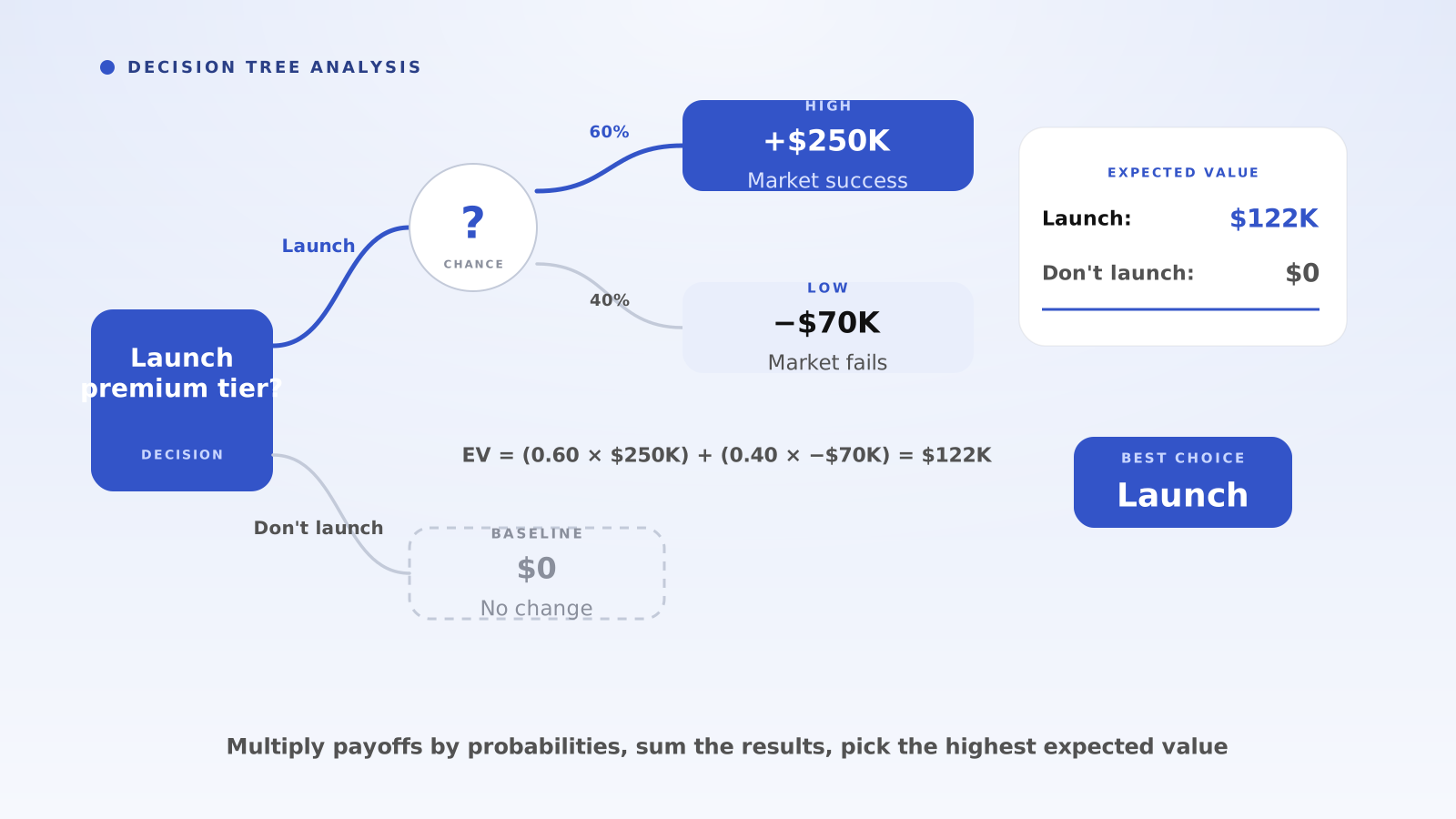
Decision Tree Analysis: How to Make Better Business Decisions With Expected Value (Worked Example)
Decision tree analysis maps out choices, outcomes, and probabilities to calculate the expected value of each path. Here's how to build one and use it to make better decisions.
Method7 min read
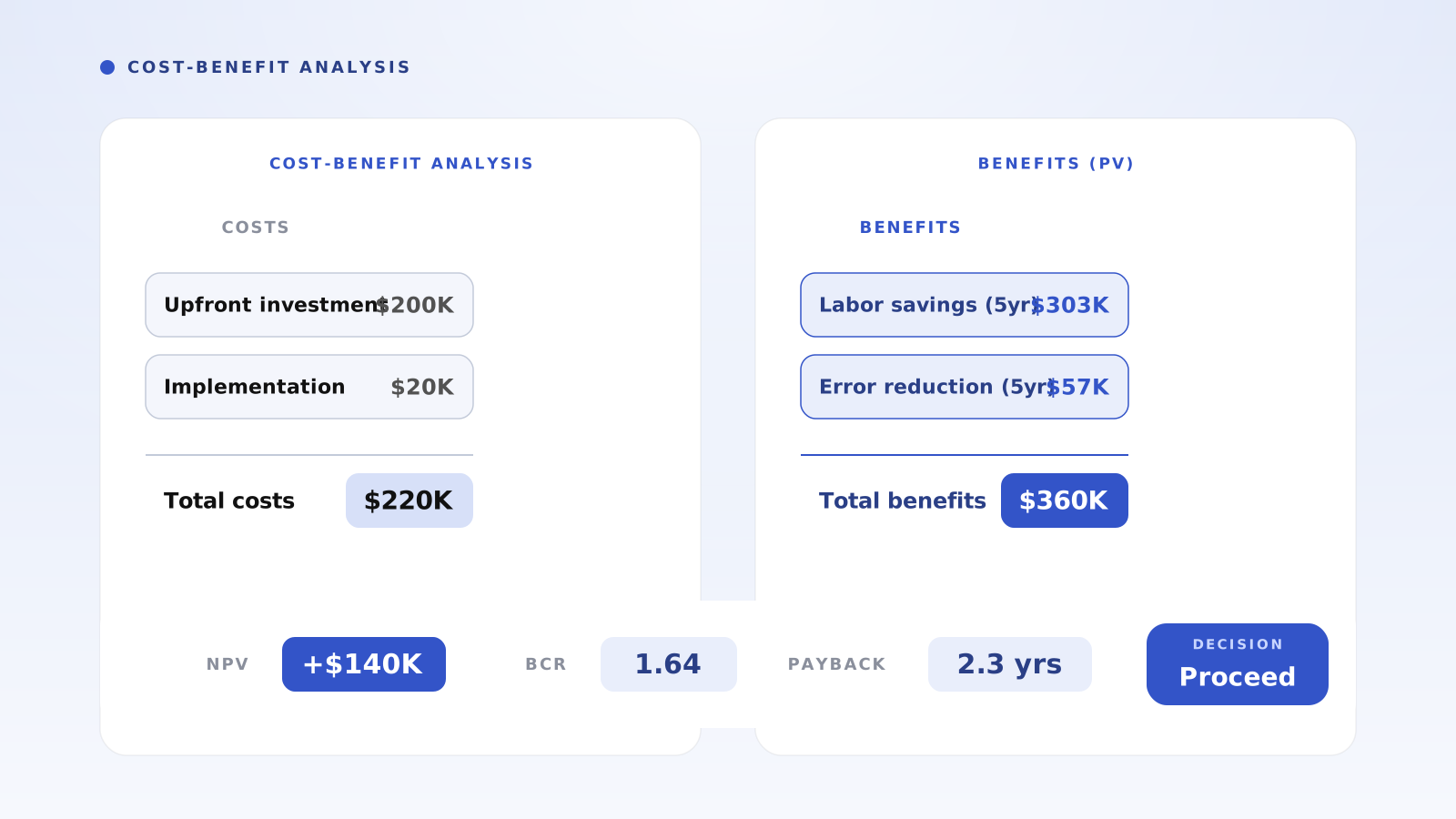
Cost-Benefit Analysis: How to Do One Step by Step (With a Worked Example)
A cost-benefit analysis compares what a decision costs against what it delivers. Here's how to do one step by step, with a worked example and NPV calculation.
Frameworks6 min read
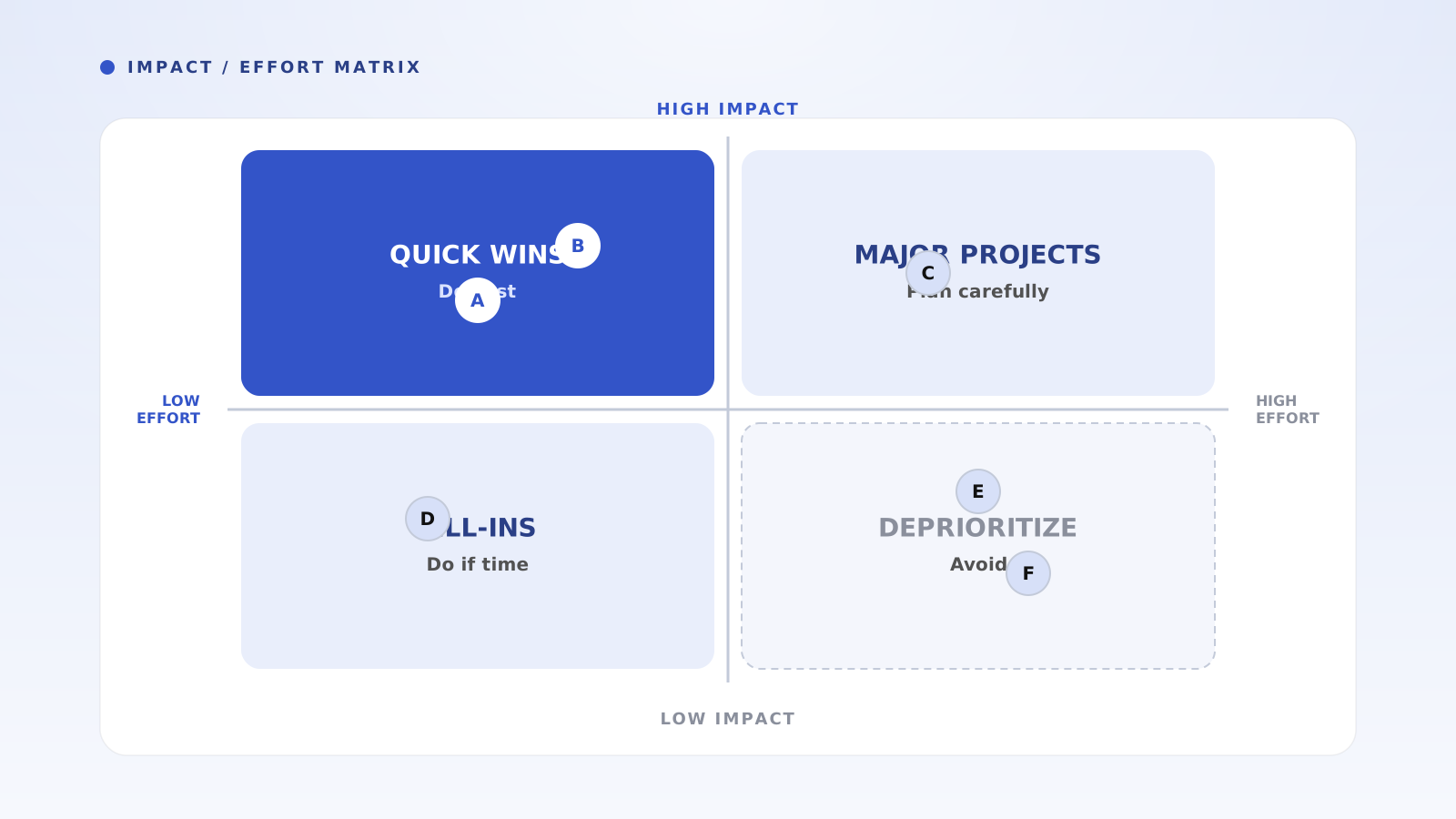
Impact Effort Matrix: How to Prioritize What to Work On (With a Worked Example)
An impact effort matrix helps you decide what to work on by plotting initiatives on two axes. Here's how to build one, score your options, and focus on what actually moves the needle.
Method8 min read
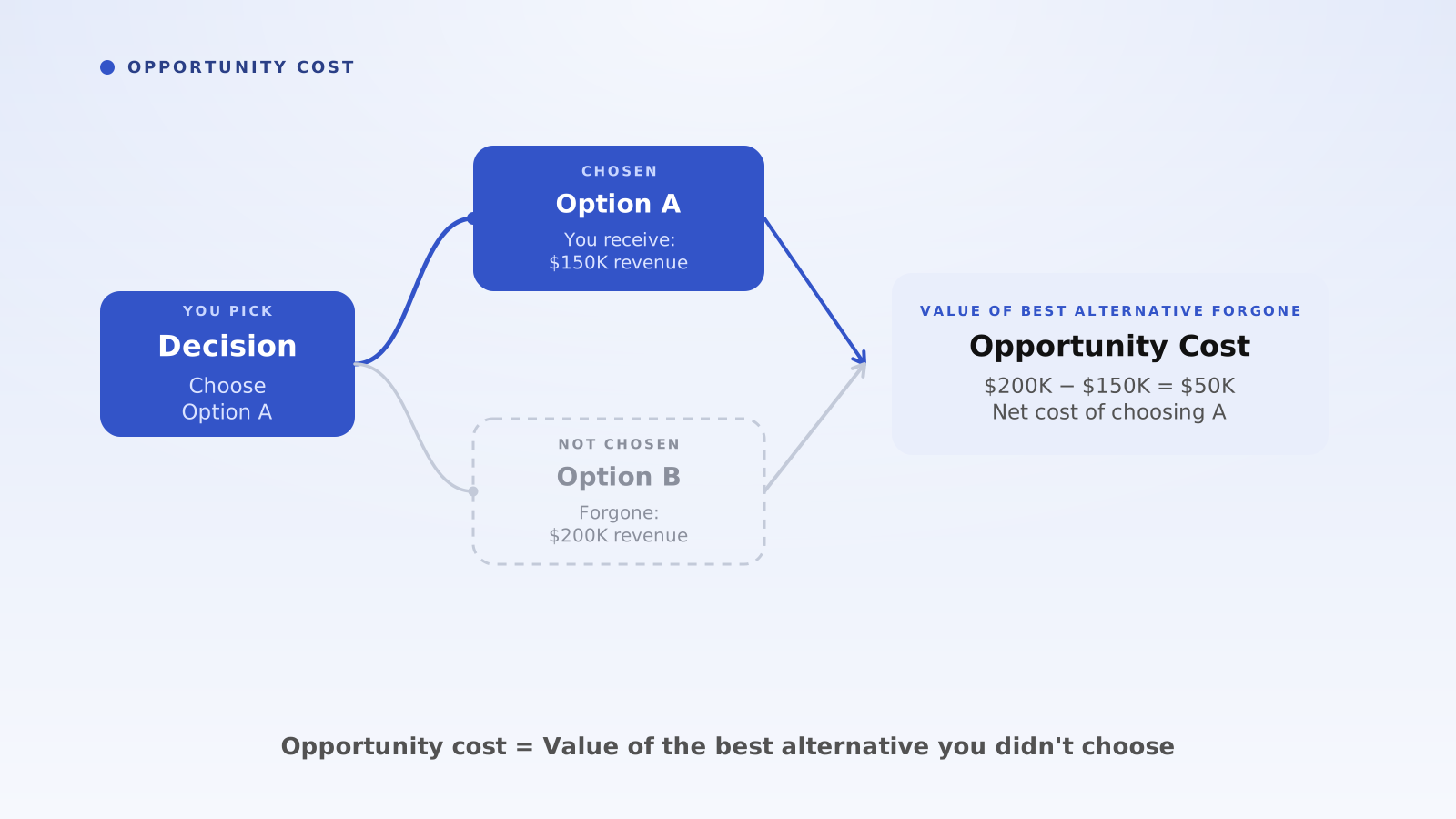
Opportunity Cost: How to Use It to Make Better Business Decisions (With Examples)
Opportunity cost is the value of the best alternative you give up when making a decision. Here's how to calculate it and use it to make smarter business choices.
Method7 min read
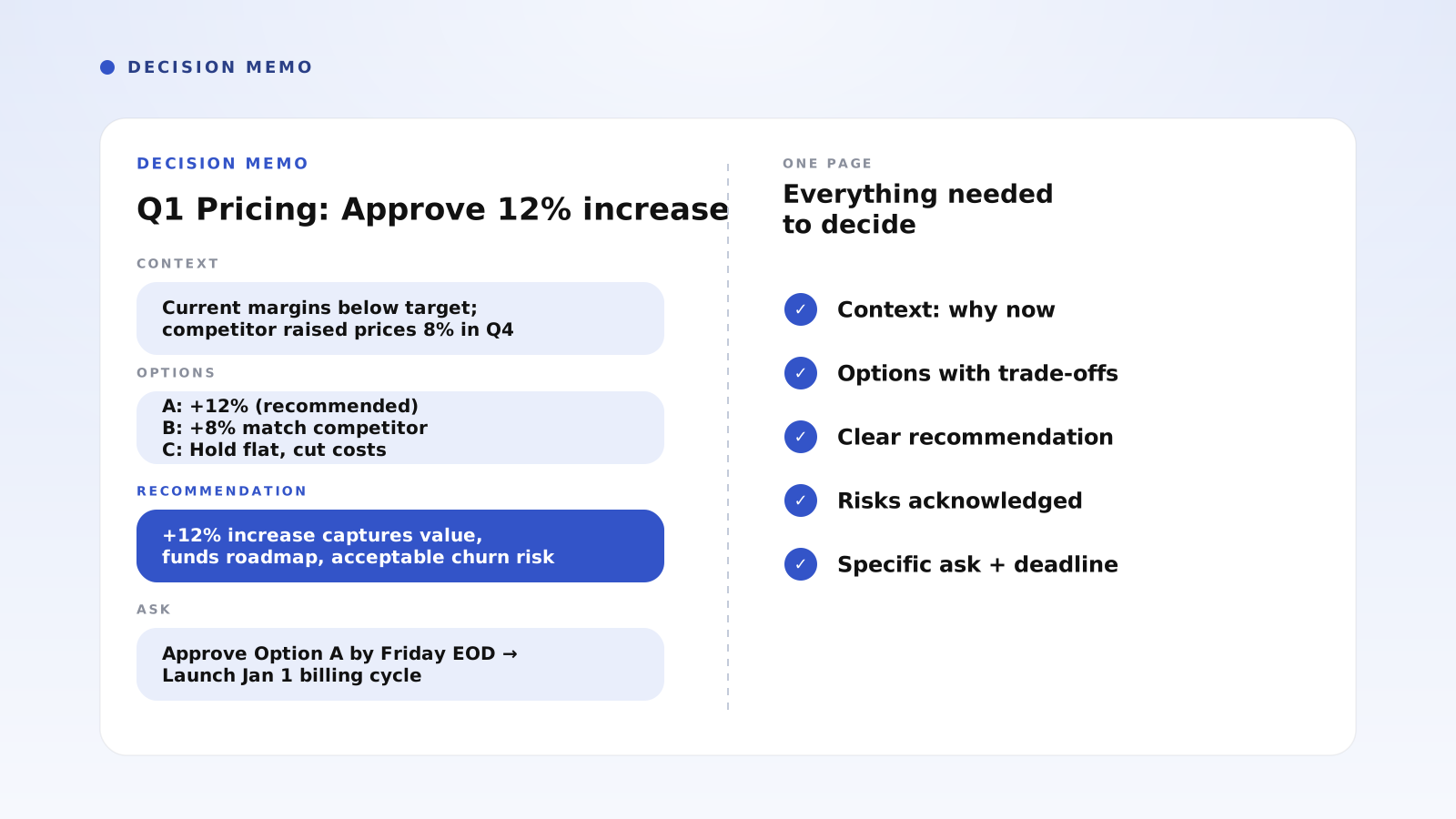
How to Write a Decision Memo: A One-Page Framework for Clear Decisions
A decision memo is a one-page document that frames a decision, presents options, and recommends action. Here's how to write one that gets alignment fast.
Method7 min read
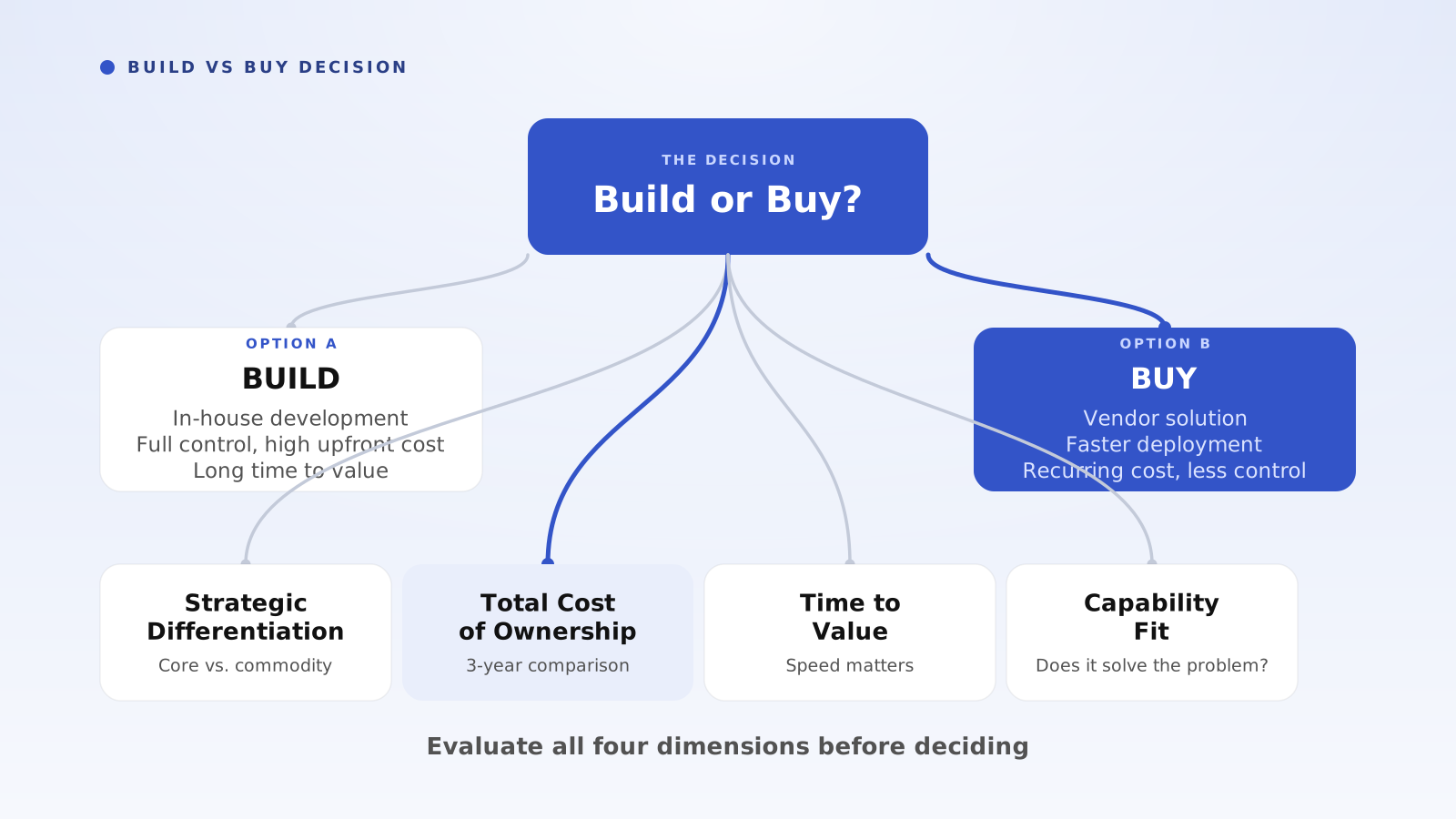
Build vs Buy Decision: A Step-by-Step Framework (With a Worked Example)
The build vs buy decision determines whether to develop a capability in-house or purchase it externally. Here's a structured framework with a real cost comparison.
Method7 min read
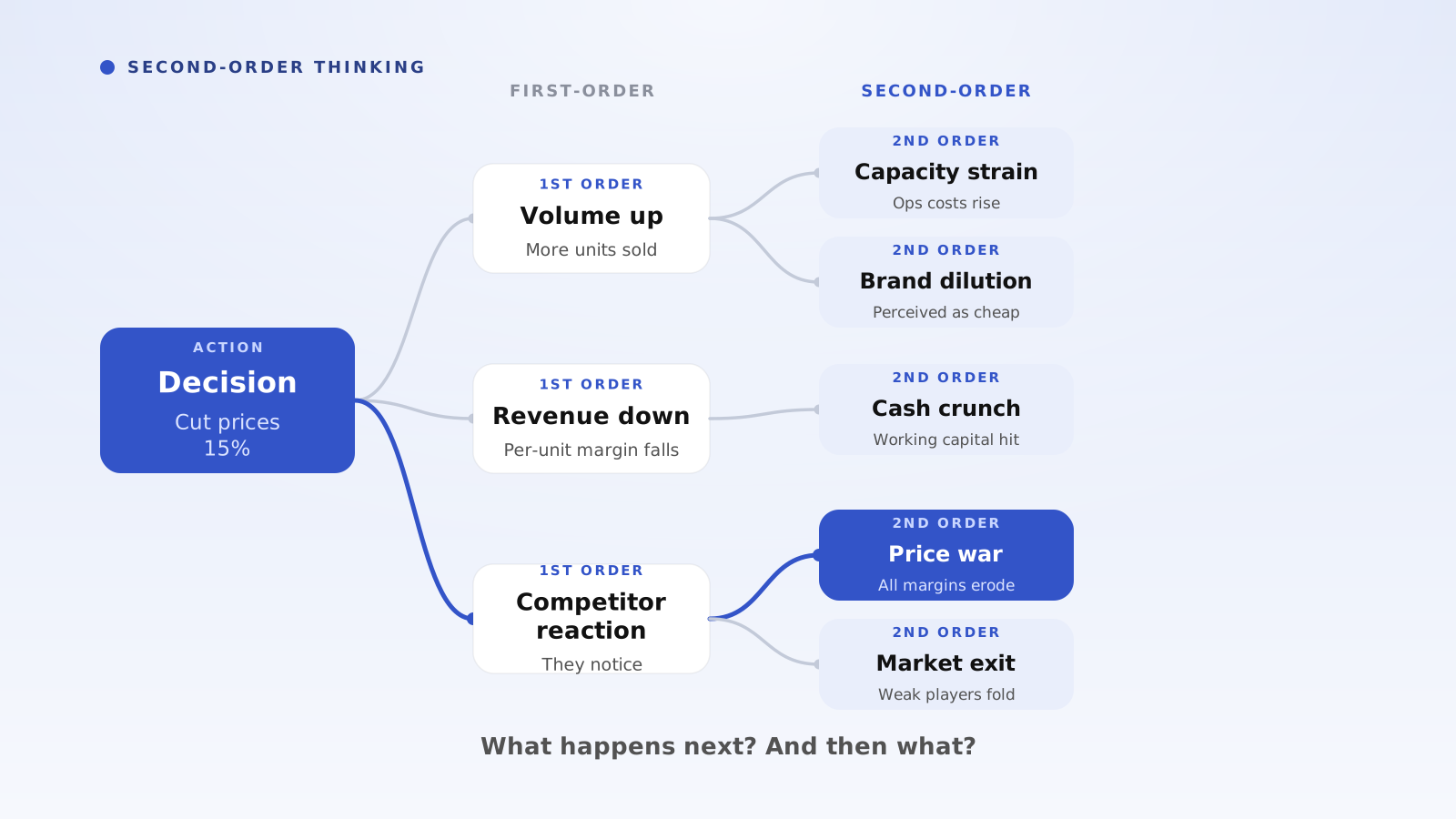
Second-Order Thinking: How to Make Better Business Decisions
Second-order thinking asks 'and then what?' to reveal consequences that first-order analysis misses. Here's how to apply it—with a worked pricing example.
Method7 min read
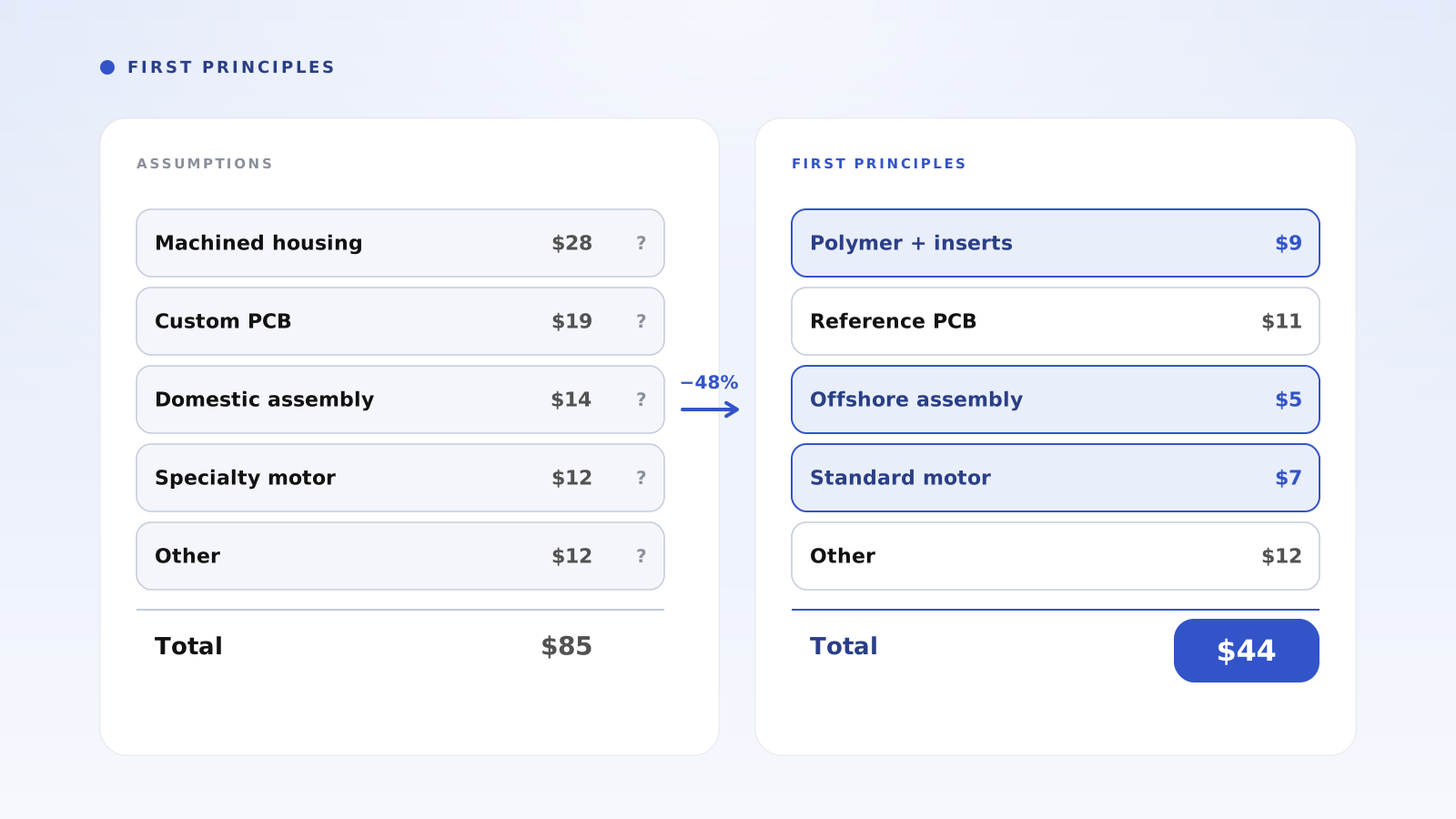
First Principles Thinking: How to Break Down Any Business Problem (With Example)
First principles thinking strips a problem to its fundamental truths and rebuilds the answer from scratch. Here's how to apply it—with a worked cost-structure example.
Frameworks7 min read
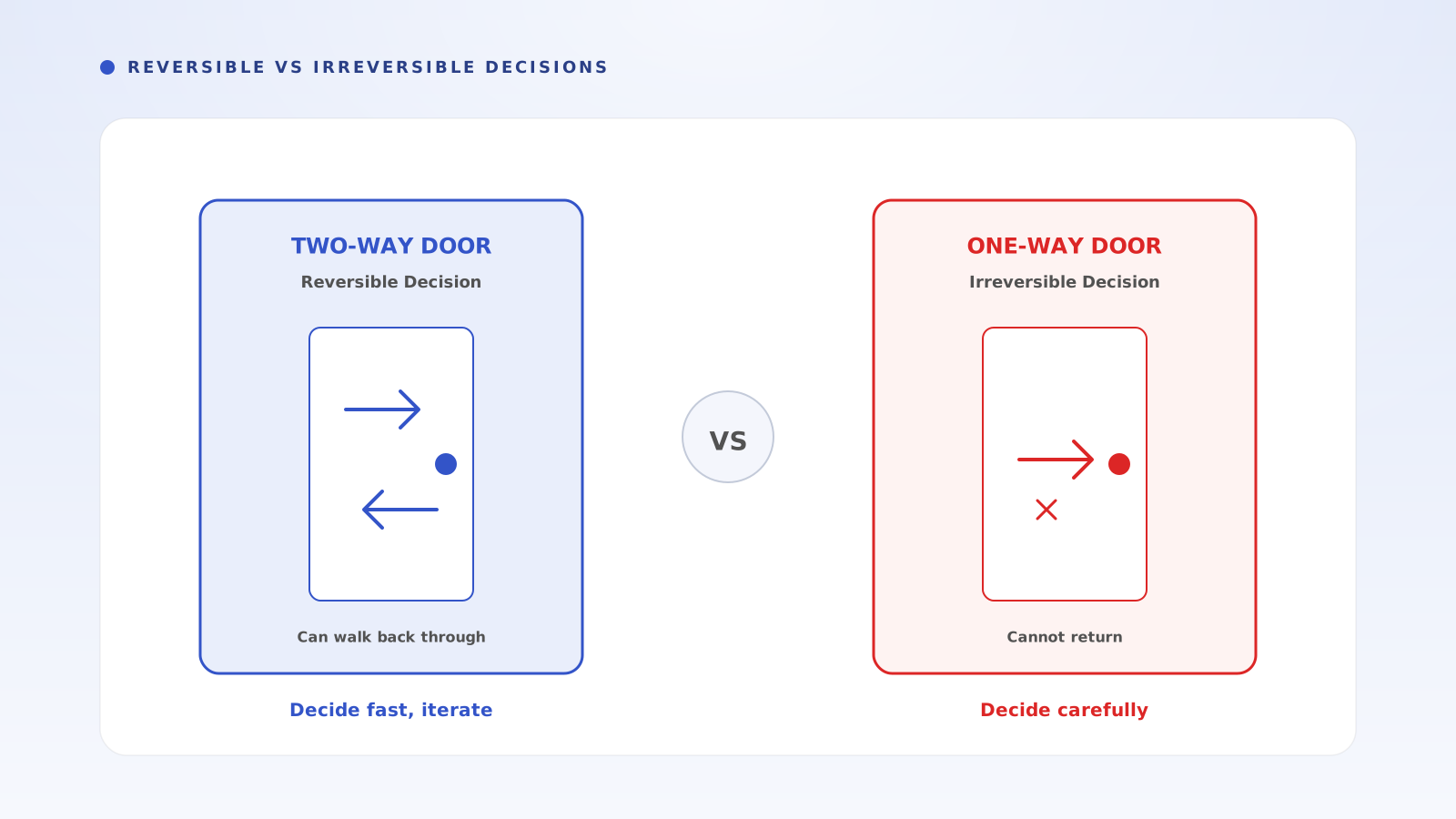
Reversible vs Irreversible Decisions: The One-Way Door Framework
Not all decisions deserve the same process. Understanding whether you're facing a two-way door or a one-way door changes how much time, analysis, and consensus you need before acting.
Frameworks7 min read
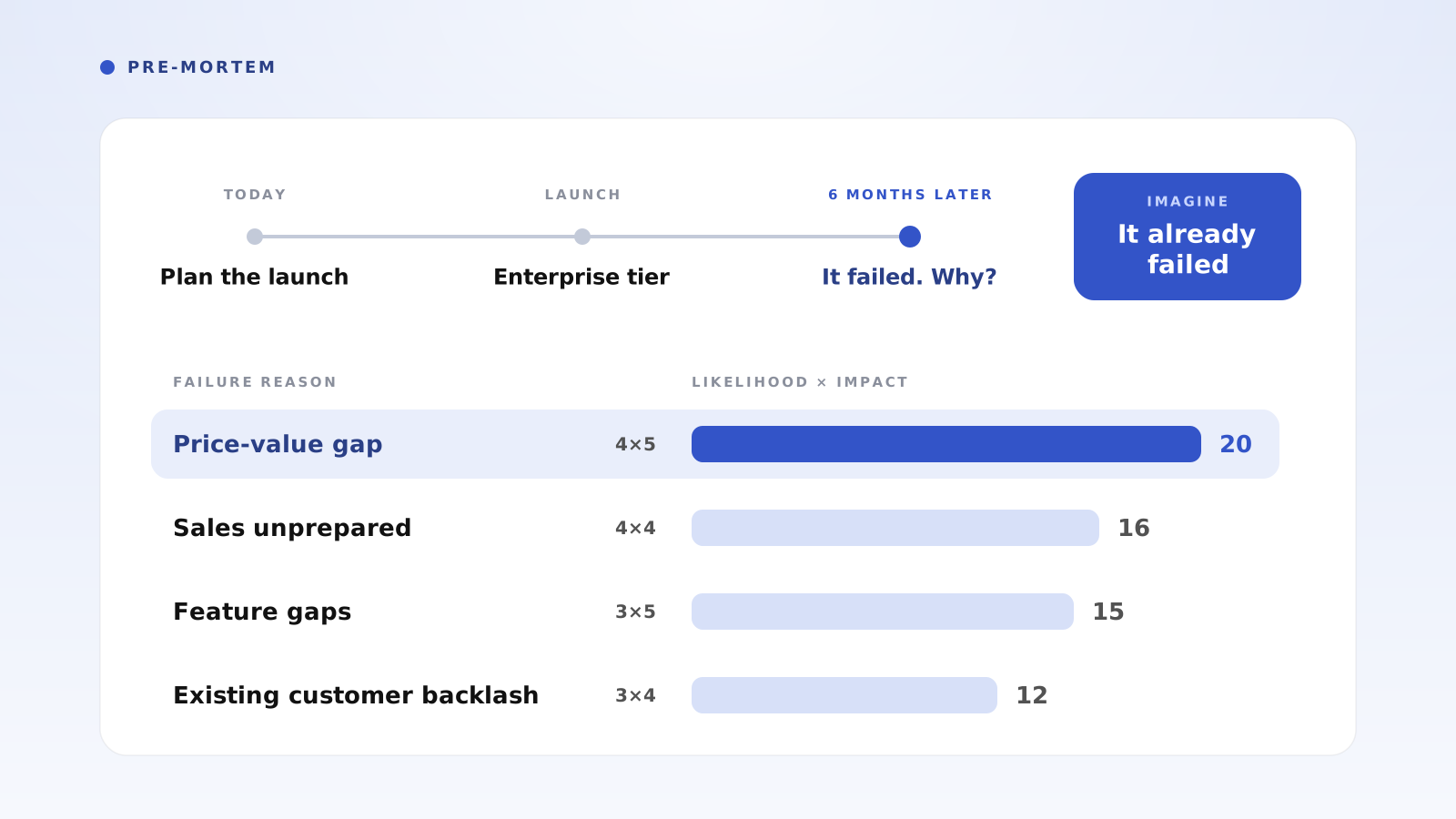
How to Run a Pre-Mortem: Anticipate Failure Before It Happens
A pre-mortem is a structured way to identify what could go wrong before you launch. Here's how to run one that surfaces real risks and leads to concrete mitigations.
Frameworks6 min read
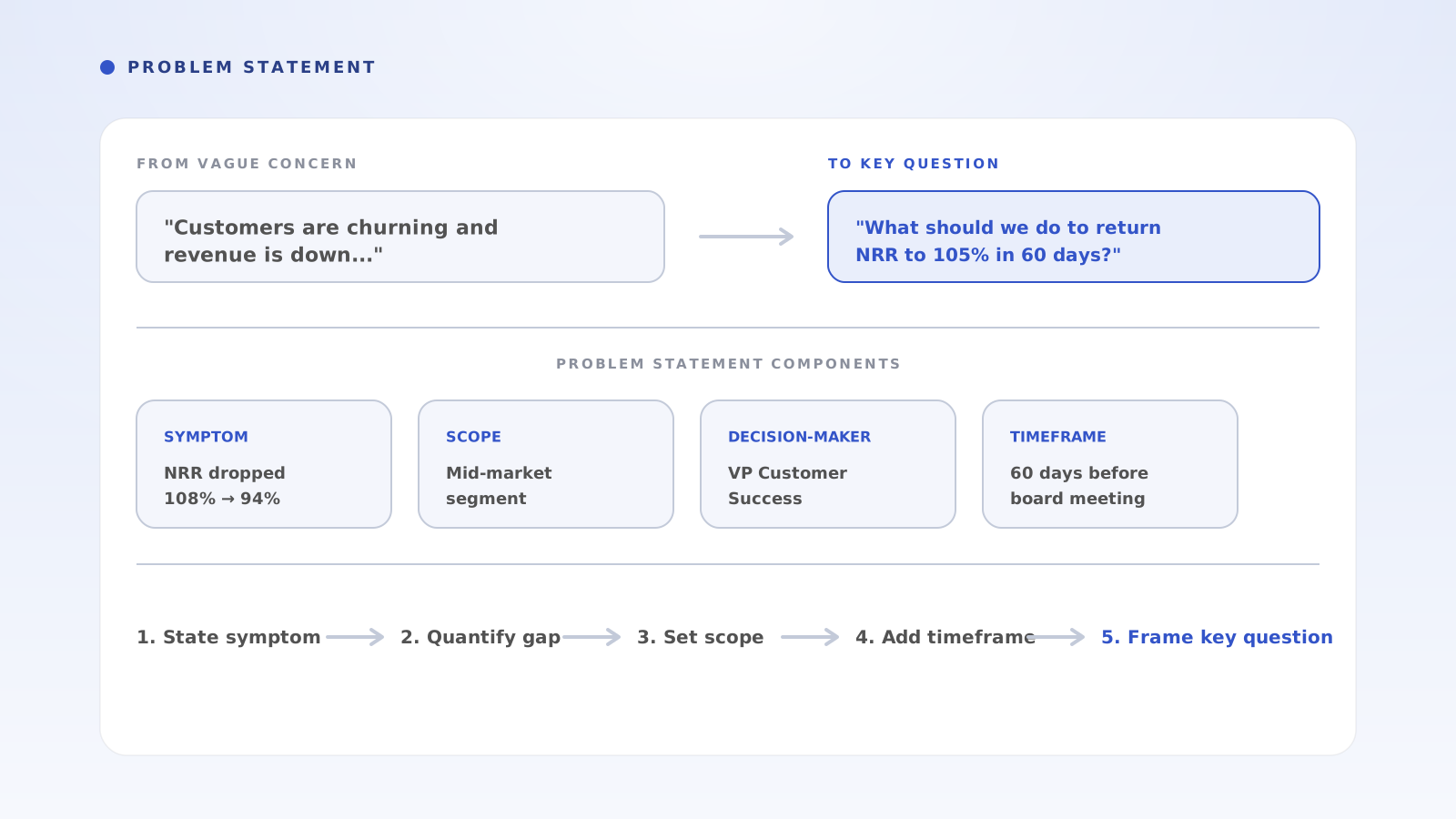
How to Write a Problem Statement: A Step-by-Step Guide for Business Decisions
A problem statement turns vague concerns into a clear, actionable question. Here's how to write one that focuses your team and drives better decisions.
Frameworks6 min read
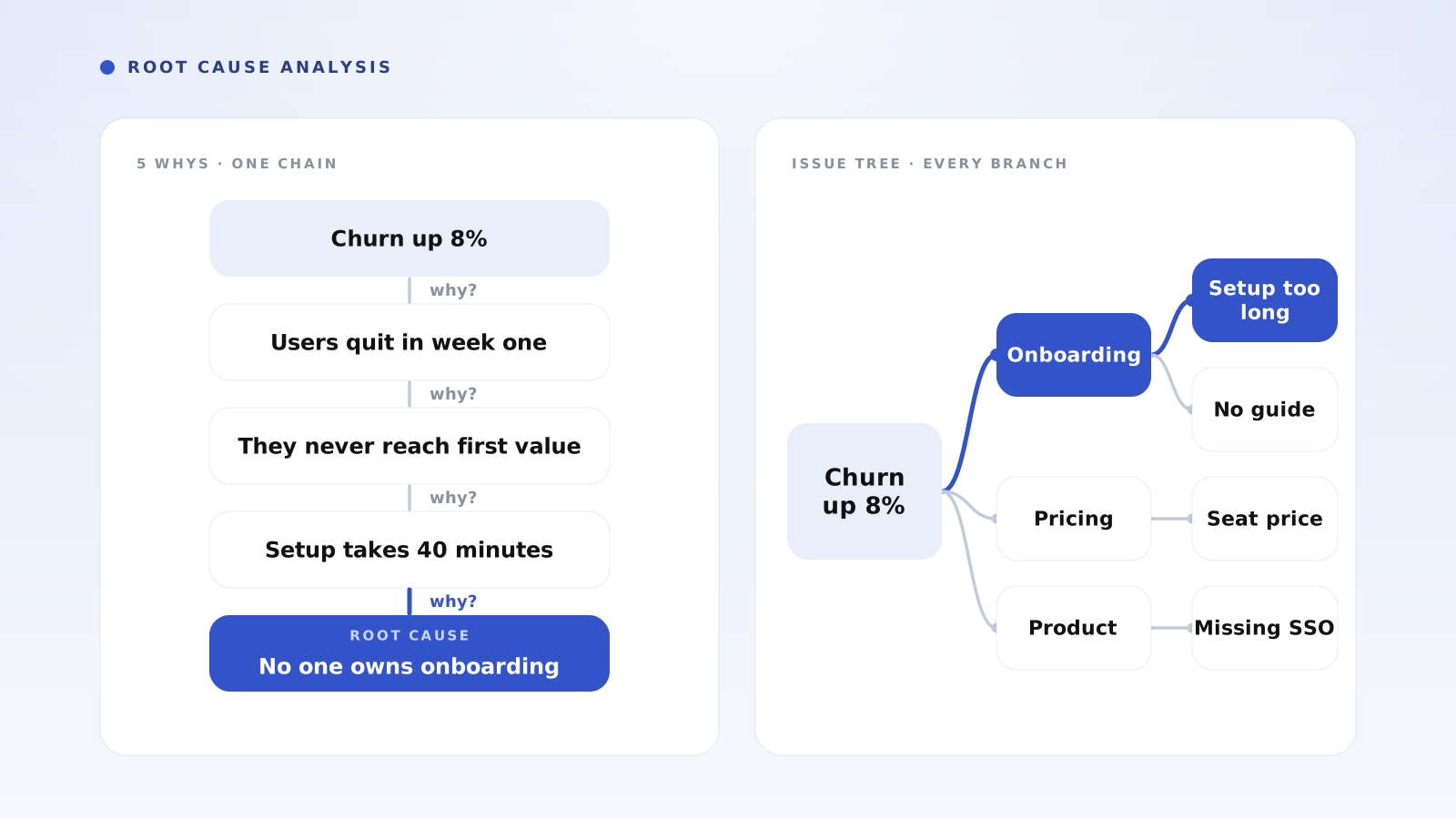
Root Cause Analysis: 5 Whys vs. Issue Trees (and When to Use Each)
Root cause analysis is how you stop treating symptoms and start solving problems. Here's how to run one—and when to use the 5 Whys versus an issue tree.
Frameworks8 min read
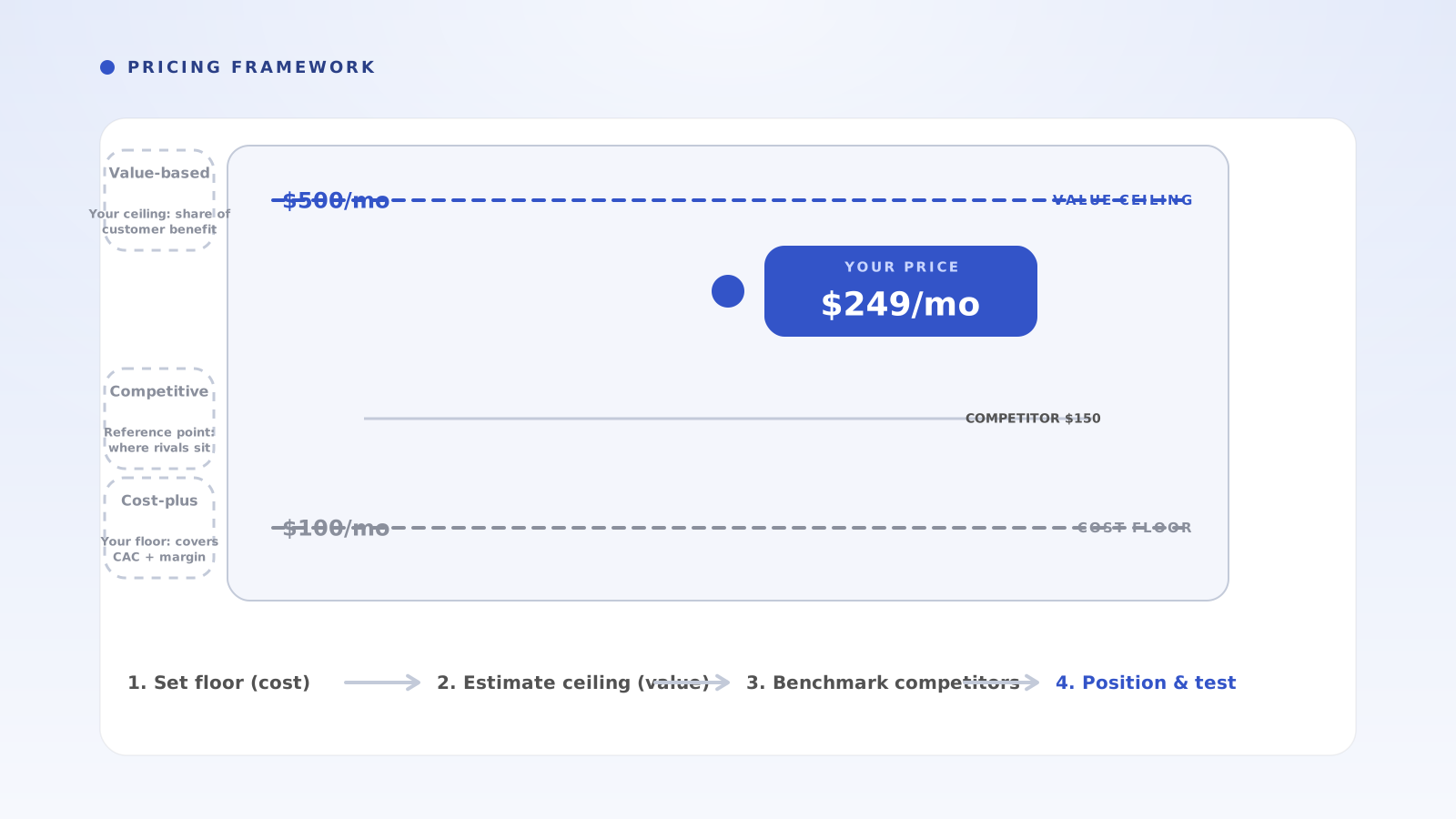
How to Price a Product: A Decision Framework for Managers
Pricing a product is one of the highest-leverage decisions a business makes. Here's how to move from gut feel to a structured approach using cost, value, and competitive data.
Frameworks7 min read
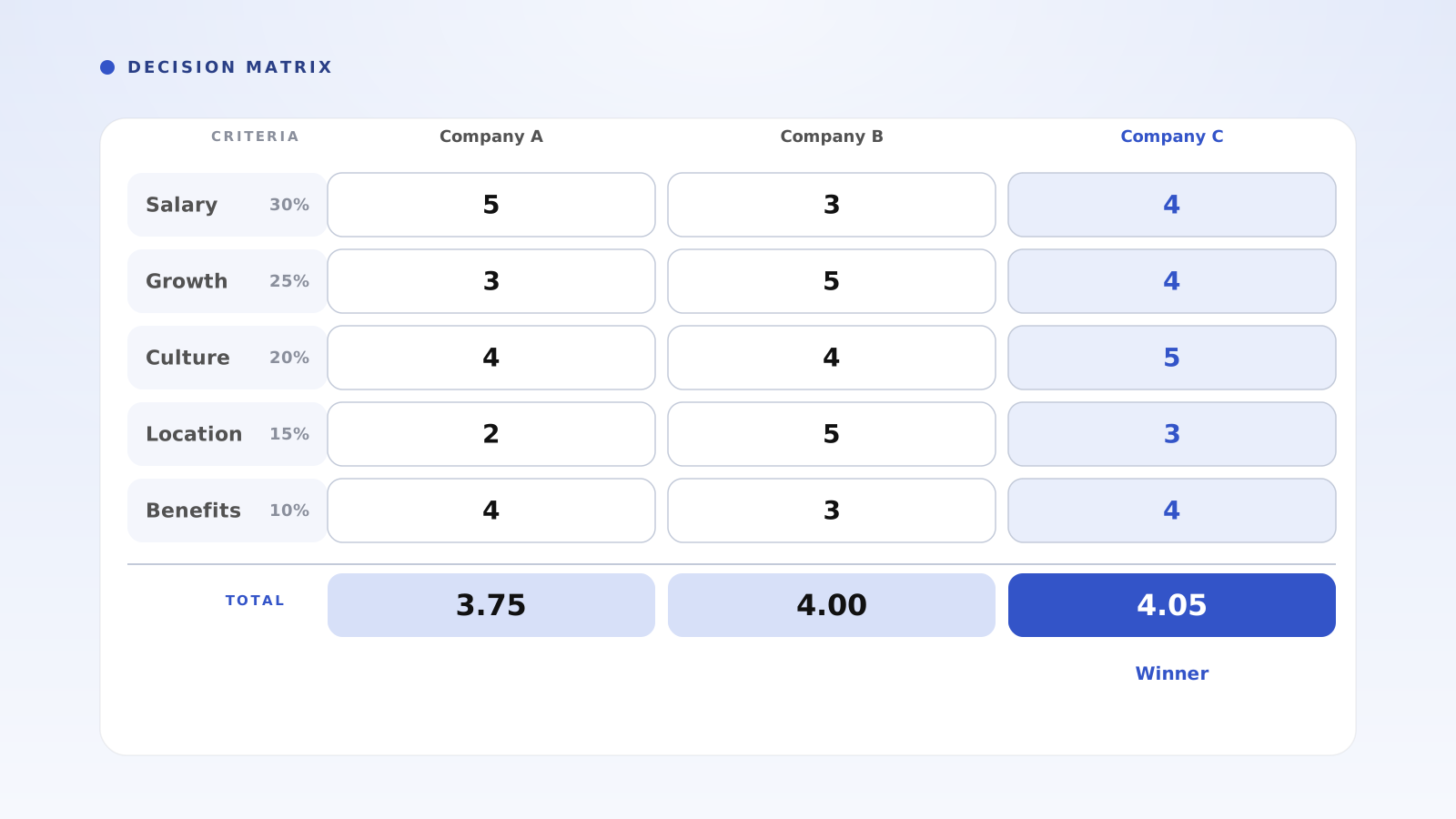
Decision Matrix: How to Make Hard Choices With a Weighted Scoring Model
When you have multiple options and conflicting priorities, a decision matrix turns gut feel into a defensible choice. Here's how to build one that actually helps.
Frameworks9 min read
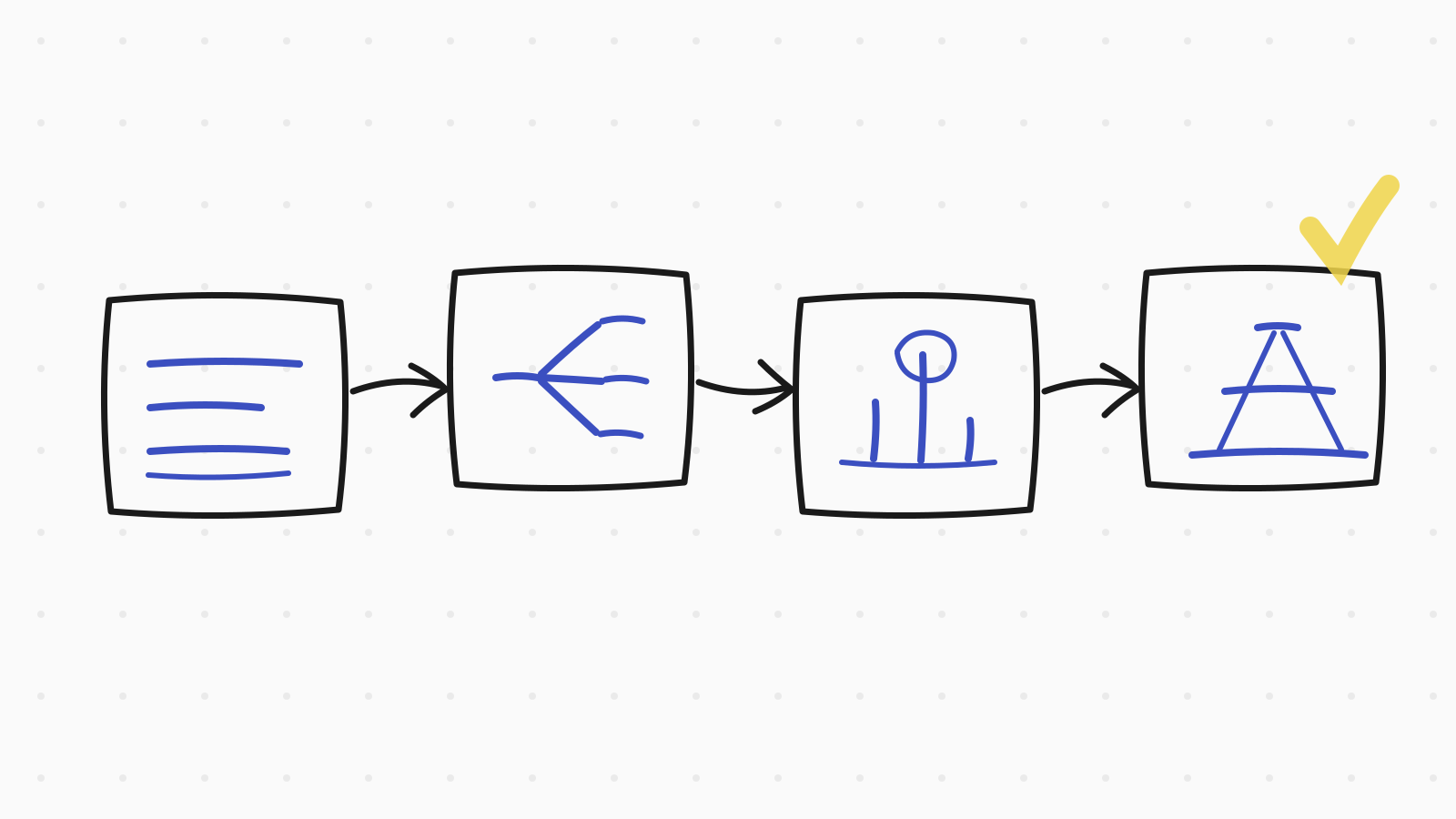
The 4S Method: State, Structure, Solve, Sell
Most problem-solving fails before the analysis starts. The 4S method is a complete operating system for going from vague trouble to adopted recommendation.
Slidewriting7 min read
Storytelling With Data: Charts That Argue, Not Decorate
Consulting charts have one job: advance the argument. Here's the discipline behind exhibits that move decisions—and how to build it before you need it.
Method7 min read
From Issue Tree to Workplan: Making Structure Executable
An issue tree tells you what could matter. A workplan decides who finds out, how, and by when. The translation between them is a core consulting skill nobody teaches candidates.
Frameworks7 min read
Custom Frameworks: When to Leave the Textbook Behind
Memorized frameworks get candidates through screening rounds and fail them in finals. Here's how to build problem-specific structures on the spot.
Case Prep8 min read
A Four-Week Case Interview Prep Plan That Actually Works
Fifty random cases with random partners is the default plan, and it plateaus fast. Here's a four-week structure built on deliberate practice instead of volume.
Case Prep6 min read
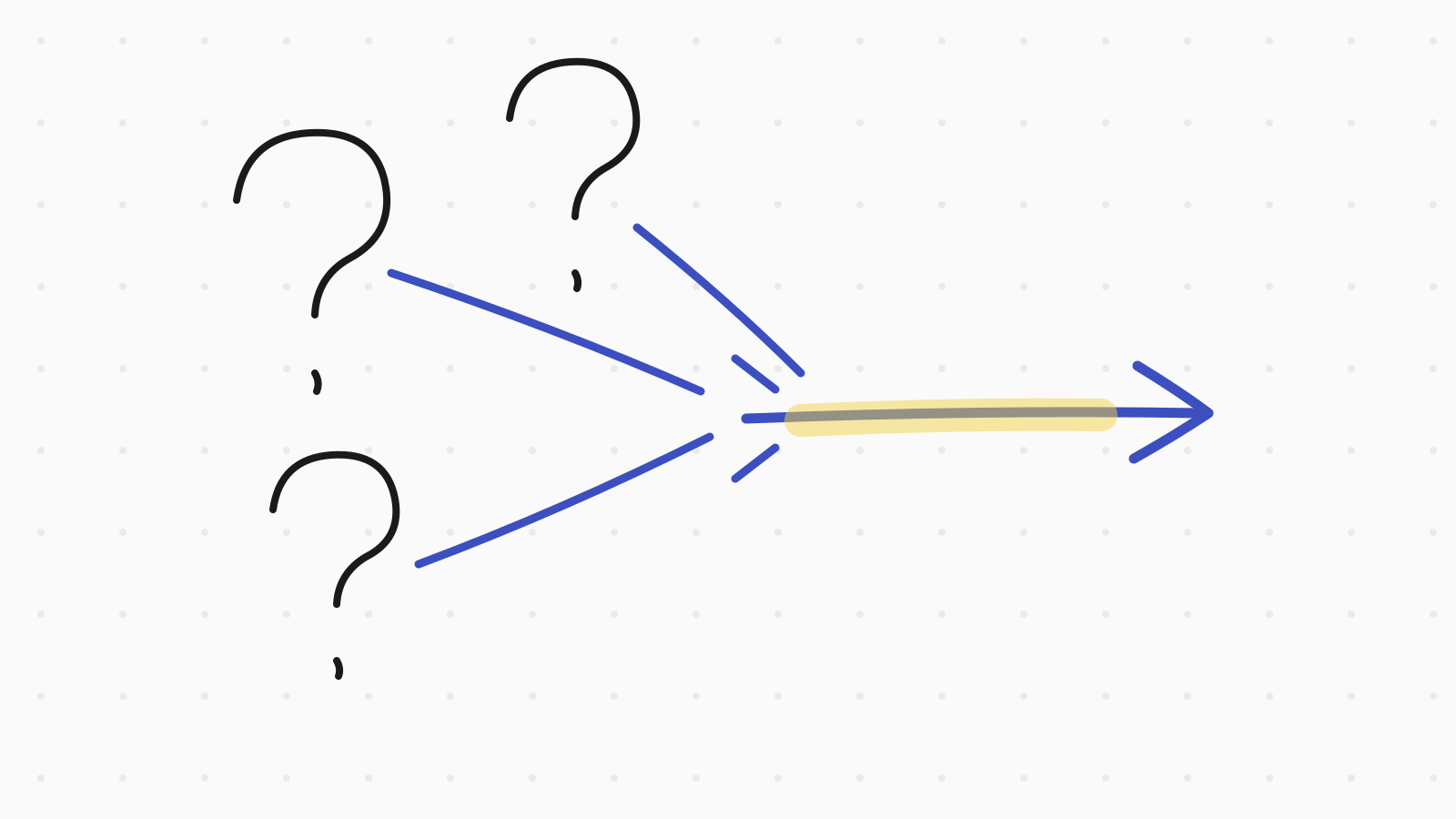
Clarifying Questions: The First Ninety Seconds of a Case
Before the framework, before the math, there's a small window that shapes everything after it. Most candidates waste it or skip it. Here's how to use it.

Case Prep7 min read
Reading Exhibits: How to Interpret Charts Under Pressure
The exhibit lands, the clock starts, and the interviewer goes quiet. What you do in the next sixty seconds is one of the most predictable—and most trainable—moments of the case.

Method7 min read
The 80/20 Rule: Prioritization as a Trainable Skill
Everyone quotes Pareto. Consultants operationalize it. Here's how 80/20 actually works as a daily analytical discipline, in cases and on real projects.
Case Prep7 min read
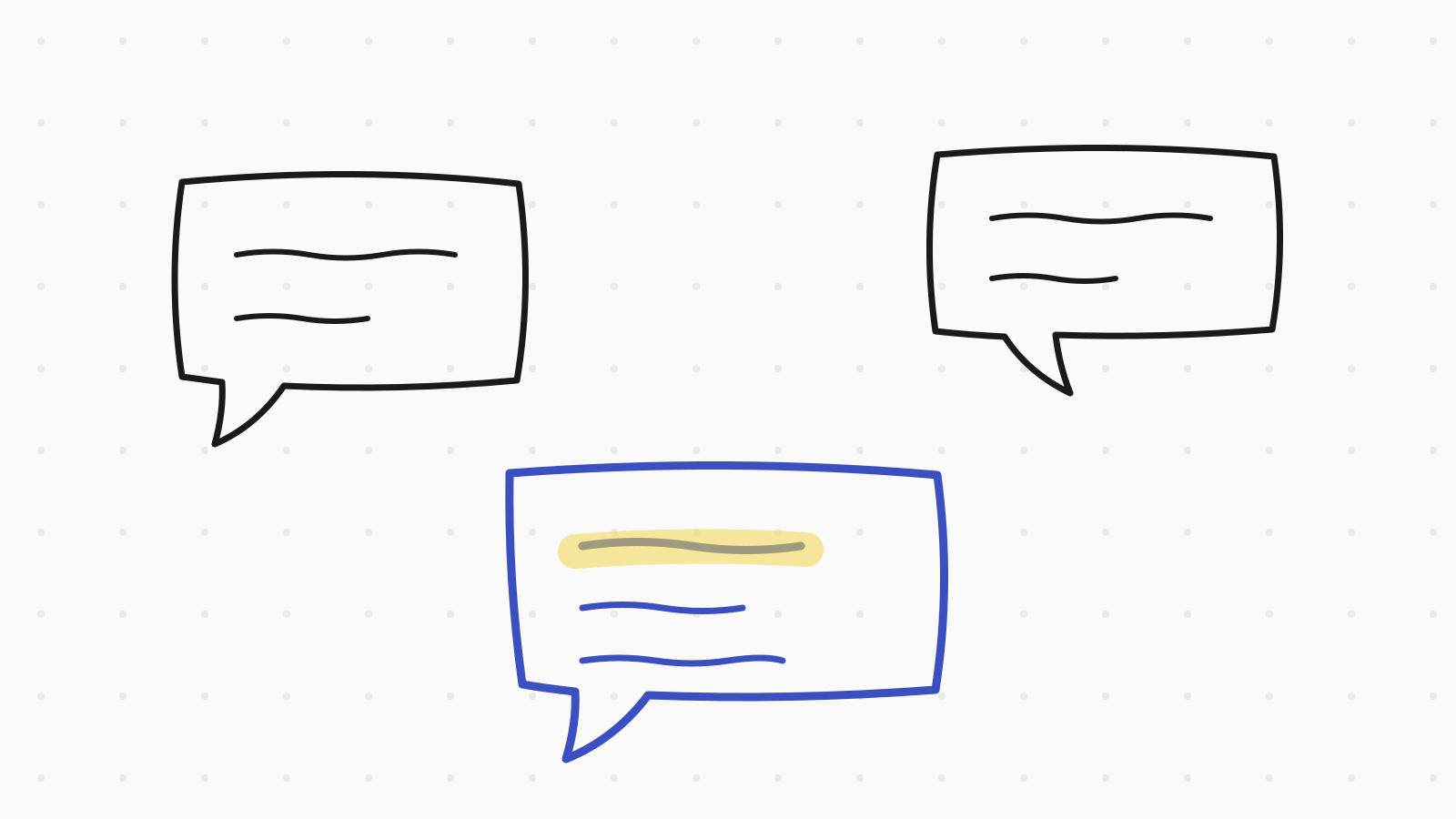
The Fit Interview: Stories That Sound Like Judgment, Not Rehearsal
Half of every consulting interview isn't a case at all. Here's how to prepare personal stories with the same rigor you bring to frameworks.
Communication7 min read
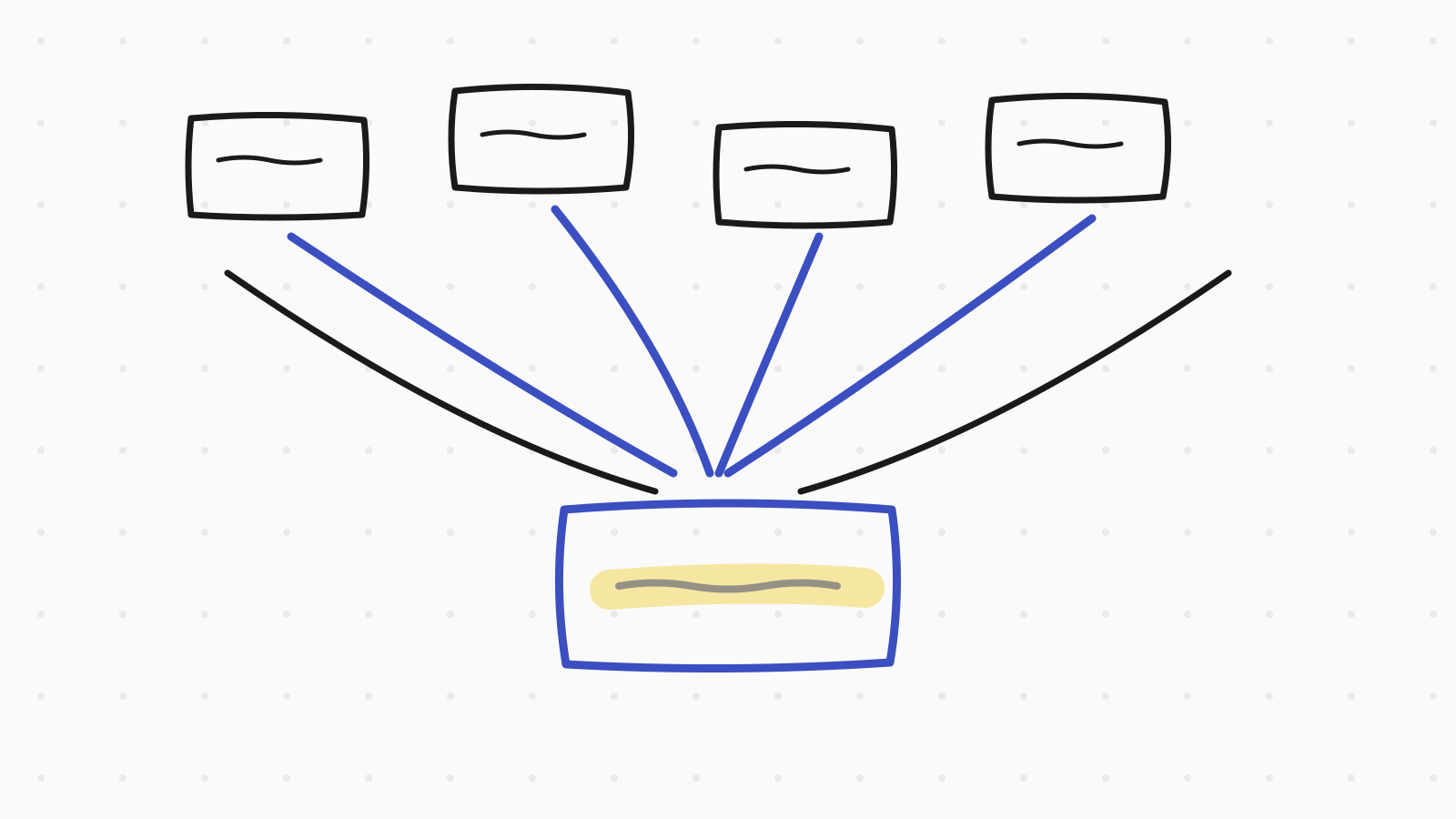
Synthesis: How to Close a Case Like a Consultant
The last two minutes of a case are weighted like the first twenty. Most candidates improvise them. Here's the structure that makes closings land.

Frameworks8 min read
Market Entry Cases: Beyond the Three-Bucket Framework
Market attractiveness, ability to win, economics. Every candidate knows the buckets. The ones who pass know what to do inside them.
Case Prep8 min read
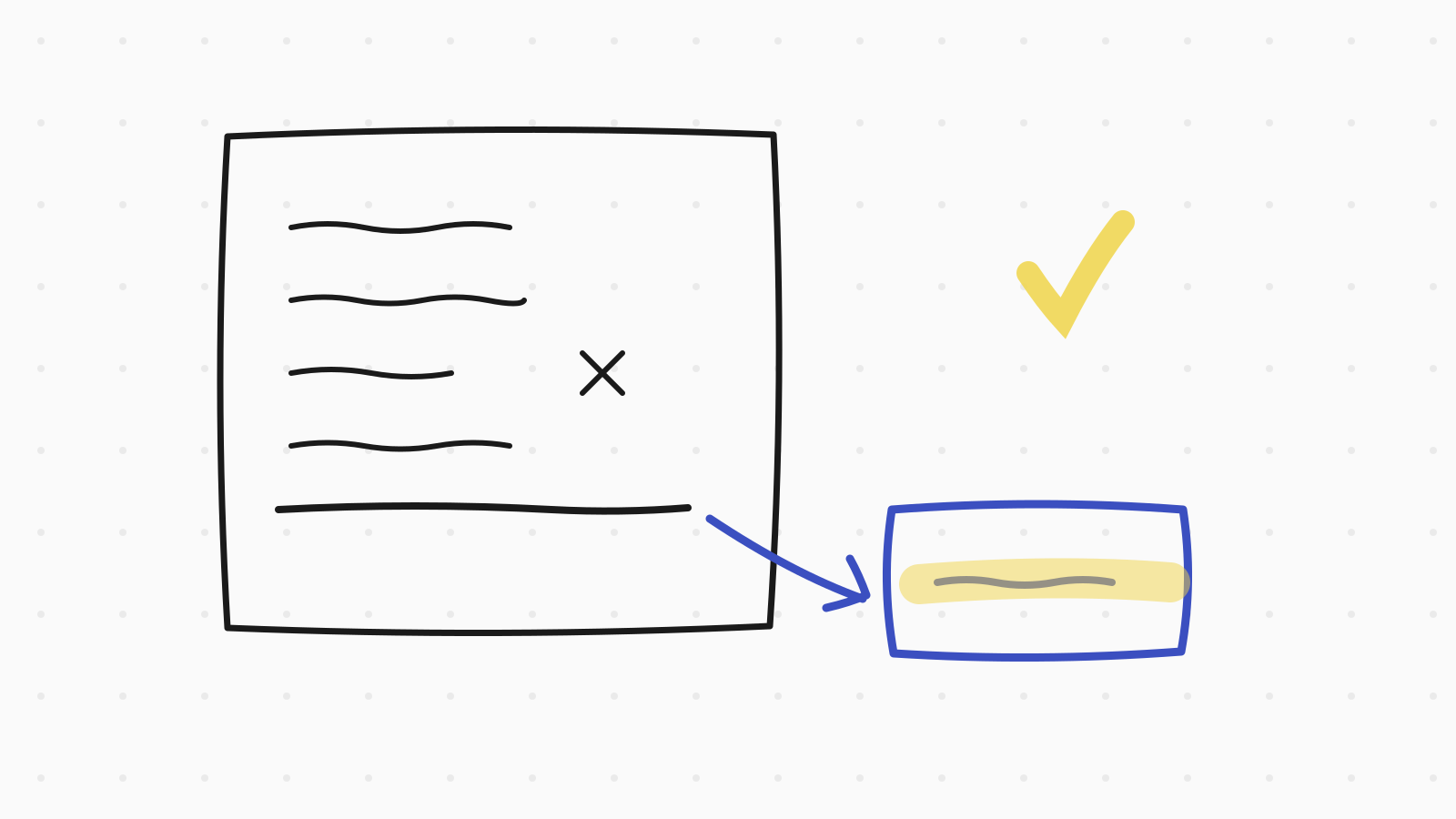
Case Interview Math: Fast, Accurate, and Out Loud
Nobody fails a case because they can't divide. They fail because they go silent, lose the thread, or forget what the number was for. Here's how to fix all three.
Method7 min read
Hypothesis-Driven Problem Solving: Think Like You Already Have an Answer
Boiling the ocean is the default failure mode of smart people. Hypothesis-driven work is the discipline that prevents it.
Communication6 min read
Answer-First Writing: Documents That Executives Actually Read
Most business writing buries the point. Consulting documents put it in the first line — and structure everything else beneath it.
Slidewriting7 min read
Storylining Decks: Action Titles That Carry the Argument
A deck is not a stack of exhibits. It's one argument told across slides — and the titles alone should tell it.

Frameworks8 min read
Issue Trees: The Architecture of Structured Thinking
An issue tree isn't a template to fill in. It's a way of seeing problems clearly. Here's how to build ones that actually work.

Communication7 min read
The Pyramid Principle: Answer First, Explain Second
Consultants communicate differently. The Pyramid Principle is why. Here's how to internalize it before your interview.

Frameworks6 min read
The MECE Mistakes That Sink Strong Candidates
Everyone knows MECE. Far fewer can actually execute it under pressure. Here are the failure modes that interviewers see constantly.

Case Prep7 min read
Market Sizing in Case Interviews: How to Estimate Without Freezing
Market sizing is not a math trick. It is a test of structure, assumptions, and calm judgment under uncertainty.

Frameworks8 min read
Profitability Cases: The Framework Most Candidates Use Too Shallowly
Revenue minus cost is only the beginning. Strong profitability analysis goes past the formula and finds the real driver fast.

Case Prep7 min read
Profitability Cases: How to Find the Real Margin Driver Fast
The strongest answers in profitability cases separate symptom from cause quickly, then focus analysis where the economics actually moved.